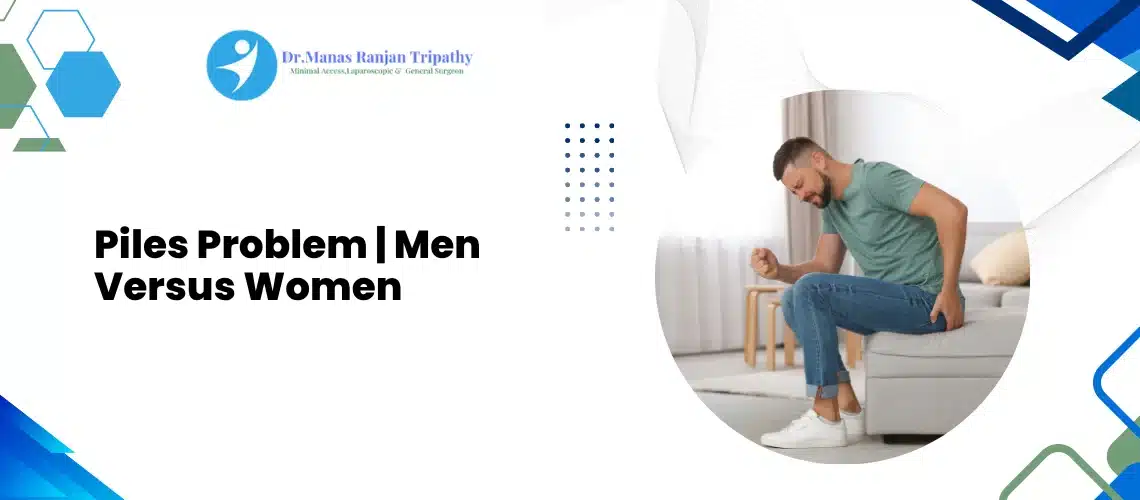
Piles, also known as hemorrhoids, are swollen blood vessels around the anus or lower rectum. They can affect both men and women, although certain factors may make piles more common or noticeable in different stages of life. Understanding these differences can help people recognize symptoms early and seek appropriate treatment.
The basic condition is similar in both men and women, but contributing factors can differ.
Piles in Men
Men may experience piles due to factors such as:
Chronic constipation and straining during bowel movements
Prolonged sitting or sedentary habits
Heavy lifting and increased abdominal pressure
Low-fibre diets and inadequate fluid intake
Spending excessive time on the toilet
Piles in Women
Women may experience piles due to some of the same lifestyle factors. In addition, pregnancy and childbirth can increase pressure on the veins in the pelvic and rectal region. Hormonal changes and constipation during pregnancy may also contribute to hemorrhoid symptoms.
Regardless of gender, common symptoms can include:
- Bleeding during or after passing stools
- Pain or discomfort around the anus
- Itching or irritation
- Swelling or a lump near the anus
- Difficulty or discomfort while sitting
- Mucus or irritation in some cases
Persistent or recurrent symptoms should not simply be assumed to be piles. A proper examination can help identify the actual cause.
SARJAPUR ROAD
Manipal Hospital
Survey No. 45/2, Ward 150, Sarjapur–Marathahalli Road, Opposite Iblur, Ambalipura, Bellandur, Bengaluru, Karnataka 560102
📞 +91 8150000200
HSR LAYOUT
#54, 1st Floor, Above SBI Bank, Behind BDA Complex
12th Main Road, HSR Layout, Bengaluru, Karnataka 560102
📞 +91 8150000200
Piles can affect both men and women, but the contributing factors may vary. Recognizing symptoms early and consulting a qualified proctologist can help with timely diagnosis and appropriate treatment.
FAQ's
Piles can affect both men and women. Risk factors and life stages can influence their occurrence.
Pregnancy can increase pressure on the pelvic veins and may contribute to hemorrhoids.
Consult a specialist if you experience persistent bleeding, pain, swelling, or recurrent symptoms.