Pilonidal sinus is a common condition that develops near the tailbone, where hair, dirt, and debris collect under the skin, leading to infection and the formation of a sinus tract. It can cause pain, swelling, pus discharge, and difficulty sitting comfortably.
One of the most common questions patients ask is:
“How is pilonidal sinus treated?”
“Can medicines cure a pilonidal sinus, or is surgery necessary?”
The answer depends on the severity of the condition. While early infections may be managed temporarily with medications, chronic or recurrent pilonidal sinus usually requires a procedure for complete and lasting relief.
Dr. Manas Ranjan Tripathy, one of the Best Proctologists in Bangalore, explains the treatment options for pilonidal sinus, when surgery is recommended, and how modern minimally invasive techniques help patients recover faster.
What is a Pilonidal Sinus?
A pilonidal sinus is a small tunnel or cavity that forms beneath the skin near the cleft of the buttocks, close to the tailbone. It usually contains hair, skin debris, and infected tissue.
The condition is more common in:
- Young adults
- People who sit for long hours
- Individuals with excessive body hair
- Overweight people
- Those with poor hygiene around the tailbone area
If left untreated, the infection may worsen and lead to repeated abscess formation.
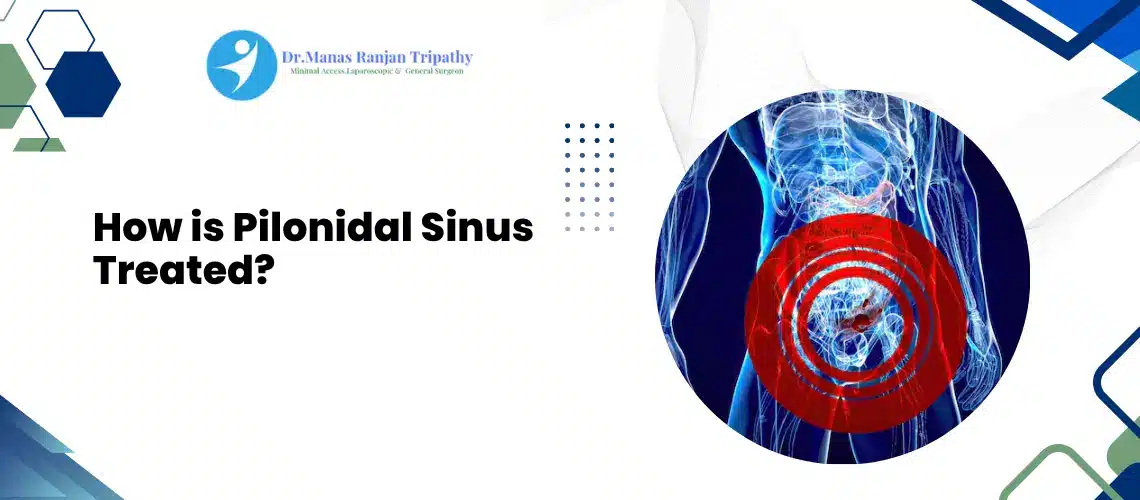
How is Pilonidal Sinus Treated?
Treatment depends on whether the condition is acute, chronic, or recurrent.
1. Conservative Treatment
In very early or mild cases, your doctor may recommend:
- Antibiotics (if infection is present)
- Pain-relieving medications
- Warm compresses
- Maintaining proper hygiene
- Hair removal around the affected area
These measures may help reduce symptoms temporarily but usually do not eliminate the sinus tract completely.
2. Drainage of an Abscess
If a pilonidal abscess develops, it may need to be drained to relieve pain and remove the infection.
This procedure provides immediate symptom relief but does not permanently cure the underlying sinus.
3. Surgical Treatment
For chronic, recurrent, or complicated pilonidal sinus, surgery is usually the most effective treatment.
The aim of surgery is to:
- Remove the infected sinus tract
- Eliminate chronic infection
- Prevent recurrence
- Promote proper wound healing
The surgical approach depends on the size and complexity of the sinus.
Doctor Explains
In this video, Dr. Manas Ranjan Tripathy explains:
- How pilonidal sinus develops
- Available treatment options
- When surgery is necessary
- Recovery after treatment
- Tips to prevent recurrence
Benefits of Early Treatment
Seeking treatment at the right time offers several advantages:
✔ Prevents recurrent infections
✔ Reduces pain and discomfort
✔ Avoids large abscess formation
✔ Speeds up recovery
✔ Lowers the risk of complications
Ignoring symptoms may allow the sinus to become larger and more difficult to treat.
Recovery After Pilonidal Sinus Treatment
Recovery depends on the type of procedure performed and the severity of the condition.
To promote faster healing:
- Keep the area clean and dry
- Remove excess hair regularly
- Avoid prolonged sitting
- Follow wound care instructions
- Eat a balanced, protein-rich diet
- Attend scheduled follow-up visits
Many patients can return to normal daily activities within a few days to two weeks, depending on the treatment received.
Can Pilonidal Sinus Be Prevented?
Although not every case is preventable, you can reduce your risk by:
- Maintaining good hygiene
- Keeping the area free of excess hair
- Avoiding prolonged sitting
- Maintaining a healthy weight
- Wearing loose-fitting clothing
These habits also help reduce the risk of recurrence after treatment.
FAQs
1. Can pilonidal sinus heal without surgery?
Mild infections may improve with medicines, but chronic pilonidal sinus usually requires surgery.
2. Is pilonidal sinus surgery painful?
Modern surgical techniques help minimize pain and promote faster recovery.
3. How long does the surgery take?
Most procedures take around 30–60 minutes, depending on the complexity.
4. How long is the recovery period?
Most patients resume routine activities within a few days to two weeks.
5. Can pilonidal sinus come back after treatment?
Recurrence is possible, but proper hygiene and regular follow-up significantly reduce the risk.
Clinic Address
SARJAPUR ROAD
Manipal Hospital, Survey no 45/2, Ward 150, Sarjapur – Marathahalli Rd, Opposite Iblur, Ambalipura, Bellandur, Bengaluru, Karnataka 560102
📞 +91 8150000200
HSR LAYOUT
#54, 1st Floor, Above SBI Bank, Behind BDA Complex, 12th Main Rd, HSR Layout, Bengaluru, Karnataka 560102
📞 +91 8150000200
Final Takeaway
✔ Pilonidal sinus is a treatable condition, but delaying treatment can lead to recurrent infections and complications.
✔ Early-stage cases may be managed conservatively, while chronic or recurrent cases usually require surgery for permanent relief.
✔ Modern surgical techniques provide safe treatment, faster recovery, and lower recurrence rates.
✔ Maintaining proper hygiene and following post-treatment care are essential for long-term success.
✔ If you notice pain, swelling, or discharge near the tailbone, seek medical evaluation without delay.
For expert diagnosis and advanced pilonidal sinus treatment, consult Dr. Manas Ranjan Tripathy, one of the Best Proctologists in Bangalore, for personalized, evidence-based care.